Is a Little Bit of Black Mold OK in Your Dumbarton Home?
How to tell a speck you can wipe away from a sign that water is getting somewhere it shouldn't, and what to do about each.
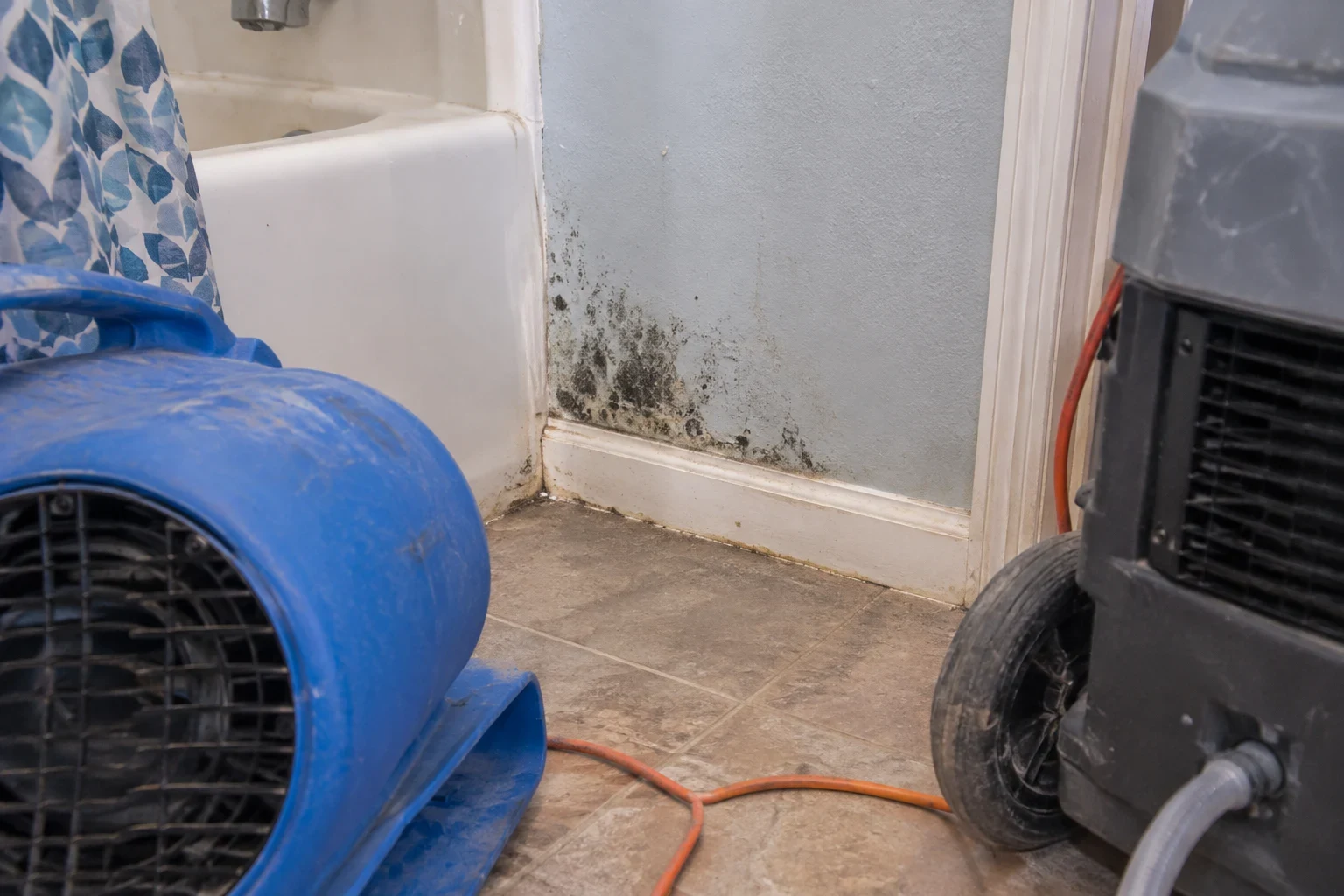
Is a little bit of black mold ok?
A little black mold is not something to ignore, but it usually isn't a crisis either. A small spot on a hard surface can often be cleaned safely on your own. The bigger concern is the moisture feeding it, because mold that keeps coming back or spreads past a small patch points to a problem behind it.
Is black mold more dangerous than other mold?
"Black mold" describes a color, not a single type. Plenty of common molds look dark green or black, especially on shower caulk, window sills and the bottom edge of drywall. The species that gets the scary headlines can't be identified just by looking, and the color alone won't tell you how it may affect the people in your home.
Any mold can cause trouble for sensitive people. Sneezing, itchy eyes, headaches and asthma flare-ups are the usual complaints, and young children, older adults and anyone with breathing problems tend to feel it first. So the sensible approach is to treat every patch with the same care, whatever its color.
When can you clean a small patch yourself?
Federal guidance from the EPA says an area smaller than about 10 square feet, roughly a three-by-three-foot square, is often something a homeowner can handle. That holds best when the mold is on a hard, nonporous surface like tile, glass, sealed countertops or metal, and when nobody in the household has asthma, allergies or a weakened immune system.
If that describes your spot, here is a simple way to deal with it:
- Wear rubber gloves, eye protection and an N95 mask, and open a window or run an exhaust fan.
- Scrub the area with detergent and warm water rather than reaching for bleach first. Never mix cleaning products.
- Dry the surface completely, then keep an eye on it for the next few weeks.
- Bag used rags and sponges and toss them in the outside trash.
- Skip the DIY route if the mold is on drywall, carpet, ceiling tiles or bare wood. Those materials soak it up, and surface cleaning won't reach what has grown into them.
What a small spot is telling you about your home
Mold only grows where it has moisture, so even a small spot is a clue. A slow drip under the kitchen sink, a sweating cold-water pipe, a bathroom fan that doesn't actually vent outdoors or condensation on a window frame can all keep a patch going. Clean the mold without fixing the water and it will usually return in the same place.
Our humid Central Virginia summers make indoor moisture a common culprit, especially in basements and crawl spaces. A simple hygrometer from the hardware store will show you where you stand. Try to keep indoor humidity under 60 percent, ideally between 30 and 50, with air conditioning, a dehumidifier or better ventilation.
If a spot shows up after a leak, an overflow or any standing water, think of it as a sign the materials underneath never dried out. That is where professional drying and dehumidifying makes a real difference, because wall cavities and subfloors can stay wet long after the surface feels dry.
When it's time to call in a professional
Some situations are better handled with proper containment and equipment. Call for help if any of these sound familiar:
- The mold covers more than about 10 square feet, or you keep finding new spots.
- It's growing on drywall, insulation, carpet padding or inside a wall or cabinet.
- You notice a musty smell but can't see where it's coming from.
- The growth followed a flood, a burst pipe or a sewage backup.
- It comes back within weeks of cleaning.
- Someone in your home is having breathing problems or symptoms that ease when they leave the house.
What happens when we come to look
Your call gets you a free on-site inspection. We check the area with moisture meters to find where the water is coming from and how far it has traveled, then walk you through what we found with photos so you see exactly what we see. If it's a small cleaning job you can handle yourself, we'll tell you that plainly.
If mold remediation is needed, we treat your home with care from the first step. We lay down floor protection along the path we use, keep equipment off your landscaping, and seal the work area with plastic sheeting and filtered air so spores stay put. Affected materials come out, everything gets dried properly, and we keep you updated on what each day will look like until repairs are finished.
More questions about small mold spots
Should I have the mold tested to find out what kind it is?
Usually not. The cleanup is the same no matter the species, so the money is better spent finding and fixing the moisture source.
Can I just paint over a small spot?
No. Paint, even mold-resistant paint, seals the growth in without killing it, and it often bubbles or stains through again within months.
Does homeowners insurance cover mold?
It depends on the cause. Mold from a sudden event like a burst pipe is more often covered than mold from a long, slow leak, and your adjuster makes that call. We work with most major insurance companies and can explain how the process usually goes.
How quickly can someone come out if it's urgent?
For active leaks and water emergencies, our offer is on site in 60 mins or less, so the water stops spreading before mold gets a head start.
Not sure if that spot is a small fix?
A quick call gets you a free on-site inspection. We'll find the moisture behind the mold, show you what we see, and tell you honestly whether it's a job for you or for us.