ServicesRepairs and Rebuild
Repairs and Rebuild in Dumbarton
Drying your home is only half the job. The drywall, flooring, trim and cabinets still have to go back the way they were. We handle repairs and rebuild after water damage, keep your floors and yard protected while we work, and tell you each step before it happens.
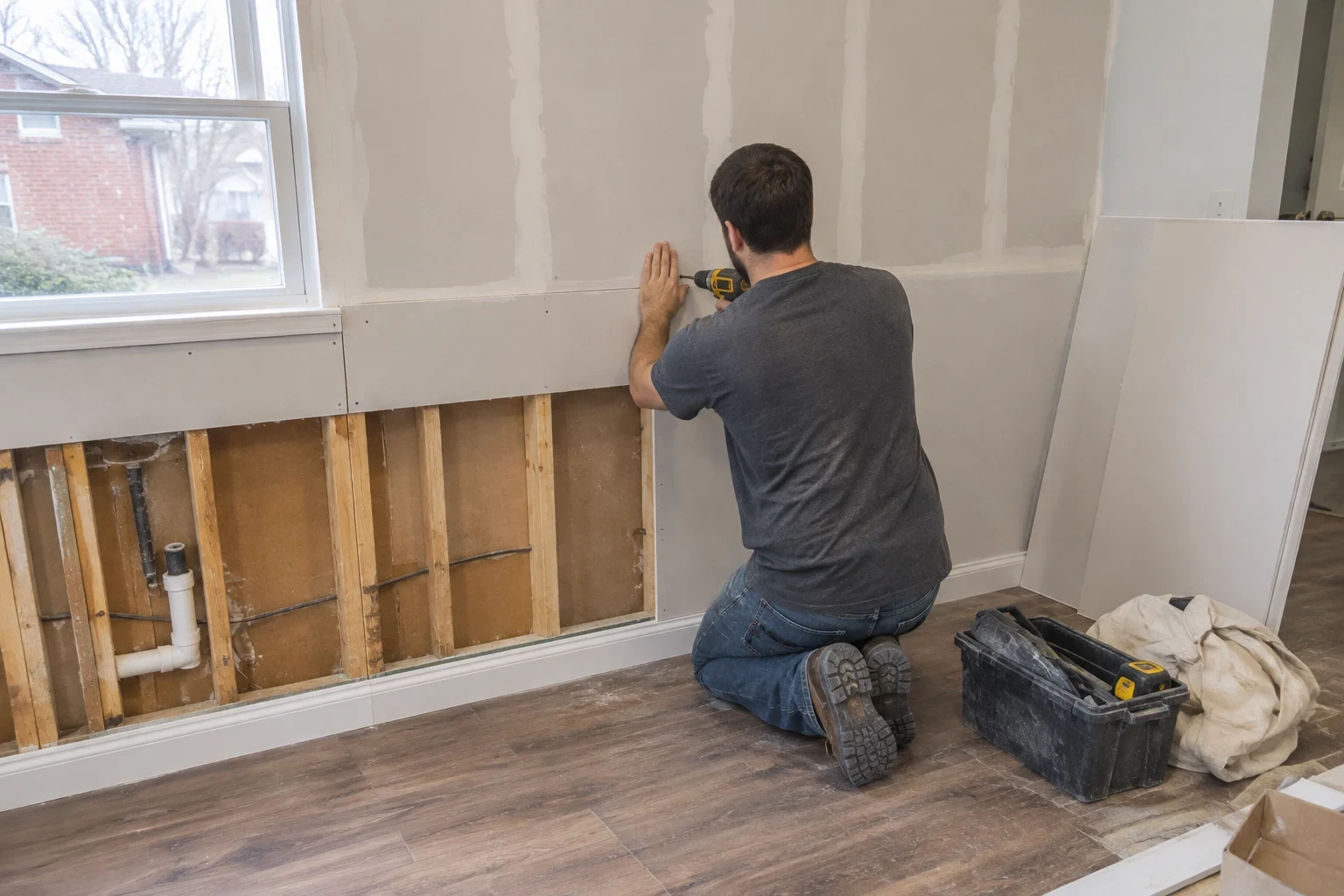
Putting your home back together after the water
Repairs and rebuild is the last stage of water damage restoration. After water extraction and drying and dehumidifying, some materials can't be saved: swollen particleboard cabinets, cupped hardwood, drywall that wicked water up from the floor, insulation that stayed wet too long. We remove what failed and replace it so each room looks and works like it did before.
This is the right call once moisture readings confirm the framing and subfloor are dry. Building over damp wood traps water behind brand-new walls, and that is how mold starts. If your home hasn't been dried yet, we start there.
When we also handle the cleanup, you deal with one crew from the first visit to the final coat of paint. Nobody new has to learn your home from scratch, and you always know who to ask.
What our repair and rebuild work covers
- Drywall and plaster
- We remove wet drywall along a straight cut above the water line, then hang fresh board, tape, finish and match your texture. Many older homes around Richmond still have plaster, so where it's sound we patch and blend rather than gut the whole room.
- Flooring and subfloor
- We replace hardwood, laminate, vinyl plank, carpet and pad, plus any subfloor panels that swelled or came apart. If your exact floor isn't sold anymore, we show you options and how the transition will look before ordering.
- Cabinets, baseboards and trim
- MDF and particleboard swell with water and stay that way. We replace base cabinets, toe kicks, baseboards and door casing, and we protect any countertops worth keeping.
- Insulation and framing
- Soaked batts stop insulating and keep the wall cavity damp, so we pull them out. Then we inspect studs and sill plates and repair or reinforce any framing the water left weak.
- Primer and paint
- Ordinary paint won't hide water stains for long. We lock them in with a stain-blocking primer, then paint walls and trim to match what's already there.
- Permits and inspections
- If the repair includes electrical, plumbing or structural work that requires a permit, we pull it and set up the inspection so the finished work meets code.
When drying alone won't fix the damage
Drywall that gives or crumbles
Push gently on the wall just above the baseboard. Give, flaking or a chalky feel means the gypsum inside has broken down and the panel has to be replaced.
Floors that cup or buckle
Hardwood curling up at the edges, or laminate lifting along its seams, has taken in more water than drying can undo.
Puffy cabinet bases
Bubbling veneer, a swollen toe kick or doors that hang crooked tell you water got into the cabinet box itself.
A smell or stain that returns
When a water mark or musty odor shows up again after drying, moisture is likely still hiding in insulation or framing.
Doors that stick, trim that pulls away
Swollen framing can push baseboards off the wall and leave interior doors rubbing or hard to close.
How a repair and rebuild job runs
- 1
Free on-site inspection
We take moisture readings, photograph the damage and sort out what can be saved and what has to be replaced. You get a written line-item estimate so you can see exactly what the work includes.
- 2
Insurance and scope
We work with most major insurance companies. We share our photos and estimate with your adjuster and explain how the claim process usually goes, while the adjuster decides what your policy covers.
- 3
Protecting your home
Before work starts, we lay floor runners, put up plastic dust barriers and cover furniture in nearby rooms. We also set one path from the driveway so materials and debris never cross your lawn or flower beds.
- 4
Rebuild in the right order
Framing and insulation go first, then drywall, flooring, cabinets and paint. At the end of each day we tell you what got done and what's coming next, so nothing catches you off guard.
- 5
Walk-through and cleanup
We walk every room with you and fix anything on your list. Then the barriers come down, the floors get vacuumed and we haul away all the debris.
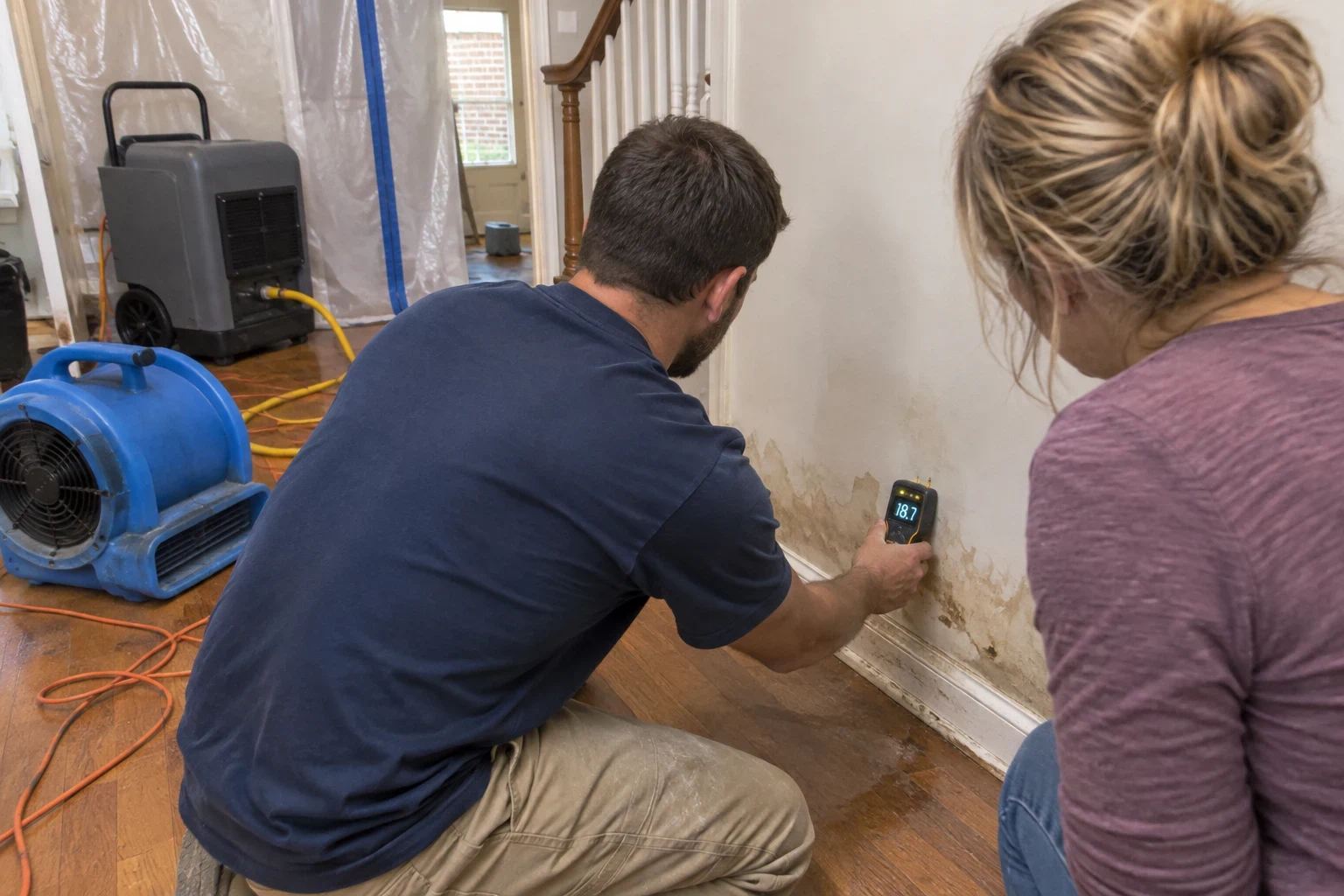
What moves the cost of repairs
We price each rebuild from what we find in your home, not from a guess on the phone. Once we've seen the damage in person, we put every item in a written line-item estimate. If opening a wall reveals something new, we show it to you and talk it over before any added work begins.
- How far the water spread
- Replacing the bottom two feet of drywall in one room is a small job next to soaked ceilings, walls and floors across an entire level.
- Materials you're matching
- Solid hardwood, custom cabinets and textured plaster need more labor and material than vinyl plank or plain drywall.
- Hidden damage inside walls
- Weakened framing, soggy insulation or wiring that must be brought up to current code all widen the scope.
- Permits and extra trades
- Work that calls for a permit, an electrician or a plumber costs more than a cosmetic repair on its own.
- The rooms affected
- Kitchens and bathrooms hold cabinets, tile and fixtures, so rebuilding them usually runs higher than a bedroom or den.
Questions about repairs and rebuild
Something not covered here? (804) 455-9249
Will my insurance pay for the rebuild?
It often does when the original water damage counts as a covered loss, though your policy and adjuster decide that. We work with most major insurance companies and send the adjuster our photos and line-item estimate. We'll also tell you plainly what we found so you know what to ask.
Can you match my existing flooring and walls?
Usually, yes. We match paint colors, drywall texture and many flooring styles closely. When a floor is no longer made, we bring samples and go over your choices before anything gets replaced.
How long does the rebuild take?
That depends on the number of rooms and how quickly materials arrive. Drywall and paint in one room goes much faster than a kitchen getting new cabinets and floors. After the inspection we give you an honest timeline and update you as work moves along.
Can we stay in the house while you work?
Most families stay put. We close off the work zone with dust barriers, cover the floors you walk across and tidy up before we leave each evening, so the other rooms stay comfortable to live in.
Why can't you start rebuilding right away?
Drywall and flooring put in over damp framing seal the moisture inside, and mold can follow within days. We take moisture readings to prove the structure is dry, then start the rebuild.
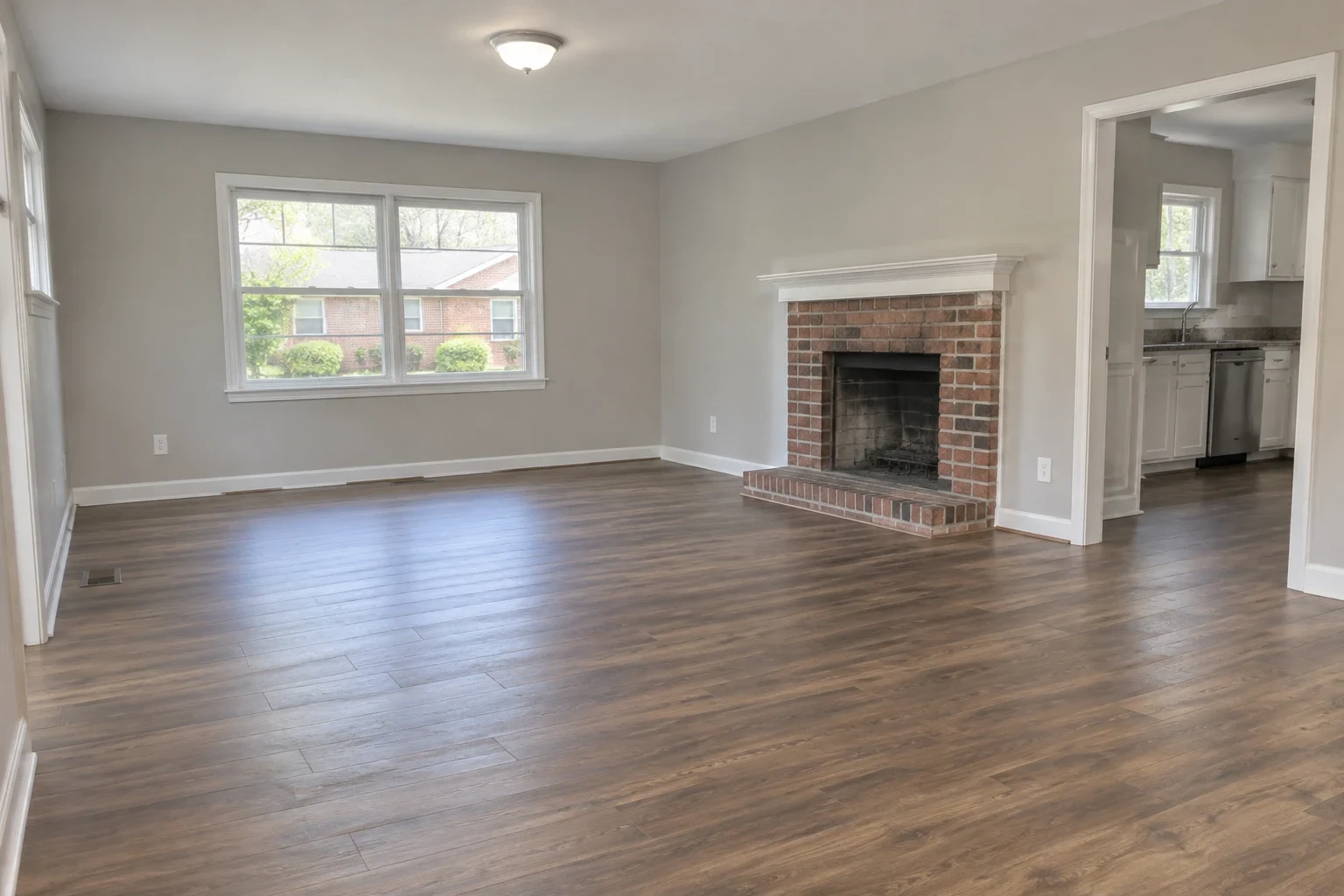
Ready to see your rooms finished again
We'll walk through the damaged rooms with you, point out what has to be replaced and explain the repair plan, all at no cost. If water is still getting into your home, our emergency water damage response comes first. Our promise is On site in 60 mins or less, and we get the water under control before any rebuilding begins.